Oral Surgery

Gum Surgery (Periodontal Treatment)

Healthy gums are the foundation of a beautiful, long-lasting smile. When gum disease progresses or cosmetic concerns arise, gum surgery can help restore both the health and appearance of your gums.

Gum surgery, also known as periodontal treatment, is used to treat advanced gum disease, repair damaged tissue, and improve the shape and balance of your gum line.
When is Gum Surgery Needed?

You may benefit from gum surgery if you have:

  • Bleeding, swollen, or receding gums
  • Deep periodontal pockets (infection under the gum line)
  • Loose teeth caused by bone loss
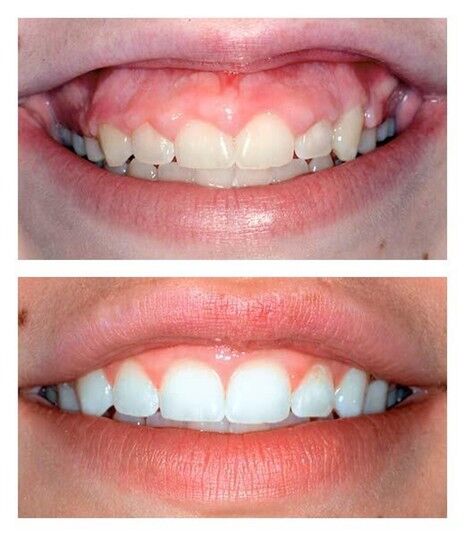
  • Uneven or excessive gum tissue (“gummy smile”)
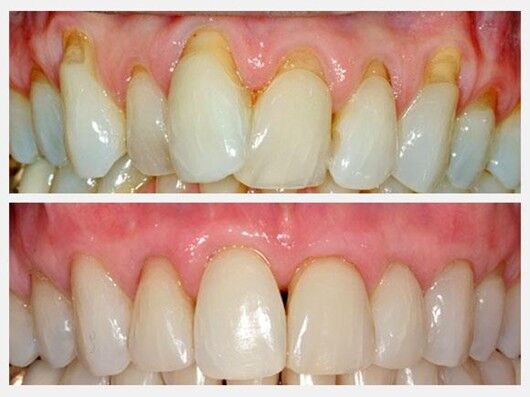
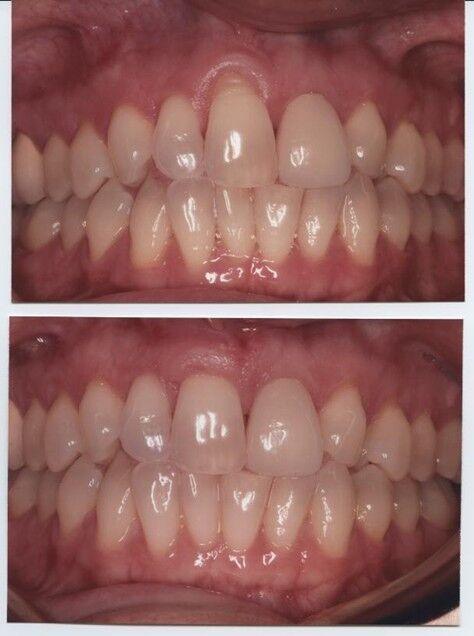
  • Gum recession exposing tooth roots

Types of Gum Procedures

  • Gum Contouring (Gingivectomy) Reshapes excess gum tissue to create a more balanced, aesthetic smile.
  • Flap Surgery Gently lifts the gums to remove deep infection and thoroughly clean the roots before securing the tissue back in place.
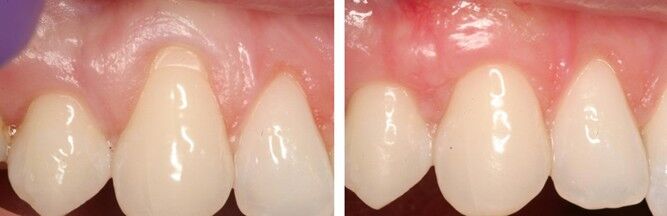
  • Gum Grafting Restores receding gums by covering exposed roots, reducing sensitivity, and protecting your teeth.
Benefits of Gum Surgery
  • Stops the progression of gum disease
  • Reduces bleeding and inflammation
  • Protects teeth and bone from further damage
  • Improves appearance of your smile
  • Helps maintain long-term oral health

What to Expect

Most gum procedures are performed comfortably with local anesthesia. Recovery is typically quick, with mild tenderness that resolves within a few days. Our team will guide you through every step and provide personalized aftercare instructions to ensure smooth healing.

Soft tissue Graft

A soft tissue graft is a dental procedure used to restore or rebuild your gums when they’ve receded or become thin

What does it do?

It involves taking a small piece of tissue (usually from the roof of your mouth or using donor tissue) and placing it where your gums are lacking.

This helps:
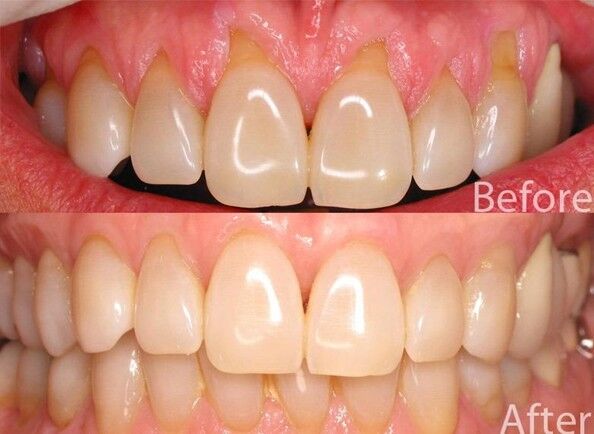
  • Cover exposed tooth roots
  • Reduce sensitivity (especially to cold/air)
  • Protect teeth from further damage
  • Improve the look of your smile

Common types of soft tissue grafts

Connective tissue graft (most common)
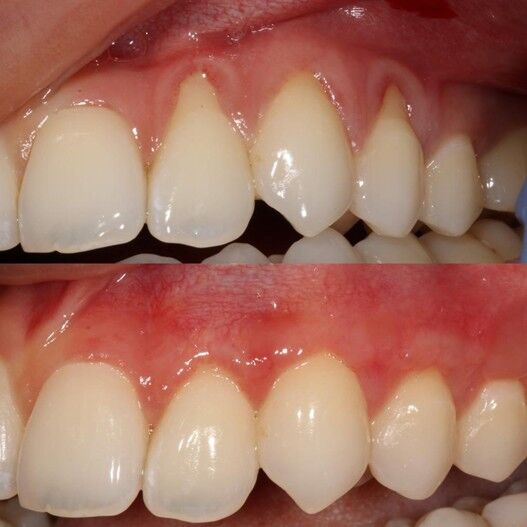
  • Tissue is taken from under the surface of the palate
  • Placed over exposed root
  • Very predictable and natural-looking

Free gingival graft

  • Tissue is taken directly from the surface of the palate
  • Used mainly to thicken thin gums

Pedicle graft

  • Tissue is moved from a nearby gum area
  • No second donor site needed

Healing & recovery

  • Initial healing: ~1–2 weeks
  • Full integration: a few weeks to months
  • Mild soreness is normal (especially if tissue is taken from the palate)

When is it needed?

  • Gum recession (teeth look longer)
  • Sensitivity
  • Thin or fragile gum tissue
  • To prevent further bone loss

Dental Implants

Dental implants are the gold standard for replacing missing teeth.
They look, feel, and function like natural teeth while helping preserve your jawbone and smile for years to come.

How it works

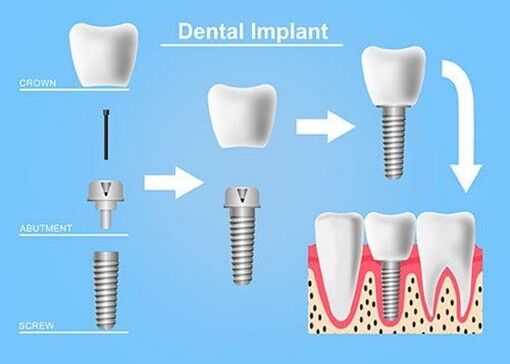
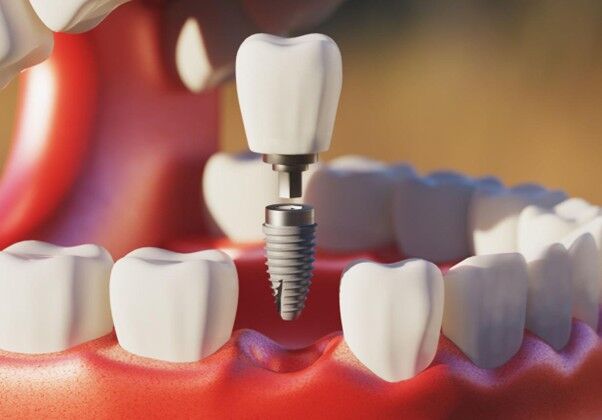
  • Placement: implant is inserted into the bone
  • Healing (osseointegration): bone fuses with implant (3–6 months)
  • Crown placement: final tooth is attached

Why patients love implants

  • Look and feel like real teeth
  • Don’t move (unlike dentures)
  • Protect bone and facial structure
  • Don’t rely on neighboring teeth (like bridges)

How long do they last?

  • Implants can last 15–25+ years (often longer with good care)
  • Crown may need replacement over time

When you might need one

  • Missing a tooth
  • Failing tooth that needs extraction
  • Loose dentures

 Important to know

  • Requires healthy gums and enough bone
  • Sometimes a bone graft is needed first
  • Not painful like people imagine — usually done with local anesthesia

Your Smile, Fully Supported

At Maple Ridge Dental Hygiene, we focus on both prevention and complete care. Whether your needs are health-related or cosmetic, we’re here to help you feel confident in your smile again.